EN
EN  AR
AR CS
CS NL
NL FR
FR DE
DE EL
EL IT
IT PT
PT BE
BE GA
GA MS
MS AF
AF TR
TR HU
HU SV
SV ES
ES XH
XH GD
GD UZ
UZ TG
TG SU
SU TA
TA MN
MN LA
LA

The ferrule is actually a small portion of the fitting but plays a large role when using 12mm tube fittings. They compress to fill gaps between the tube and fitting to prevent leaks within the system. However, there are different types of ferrules that act differently when being used. There are either reusable or one time use when tightening occurs. Picking the wrong ferrule can cause issues with leaking, loose fittings, or future maintenance. These systems being used in actual systems such as air lines, water lines or instrument lines need to stay secure and safe. It's beneficial to know how each ferrule functions with daily use.
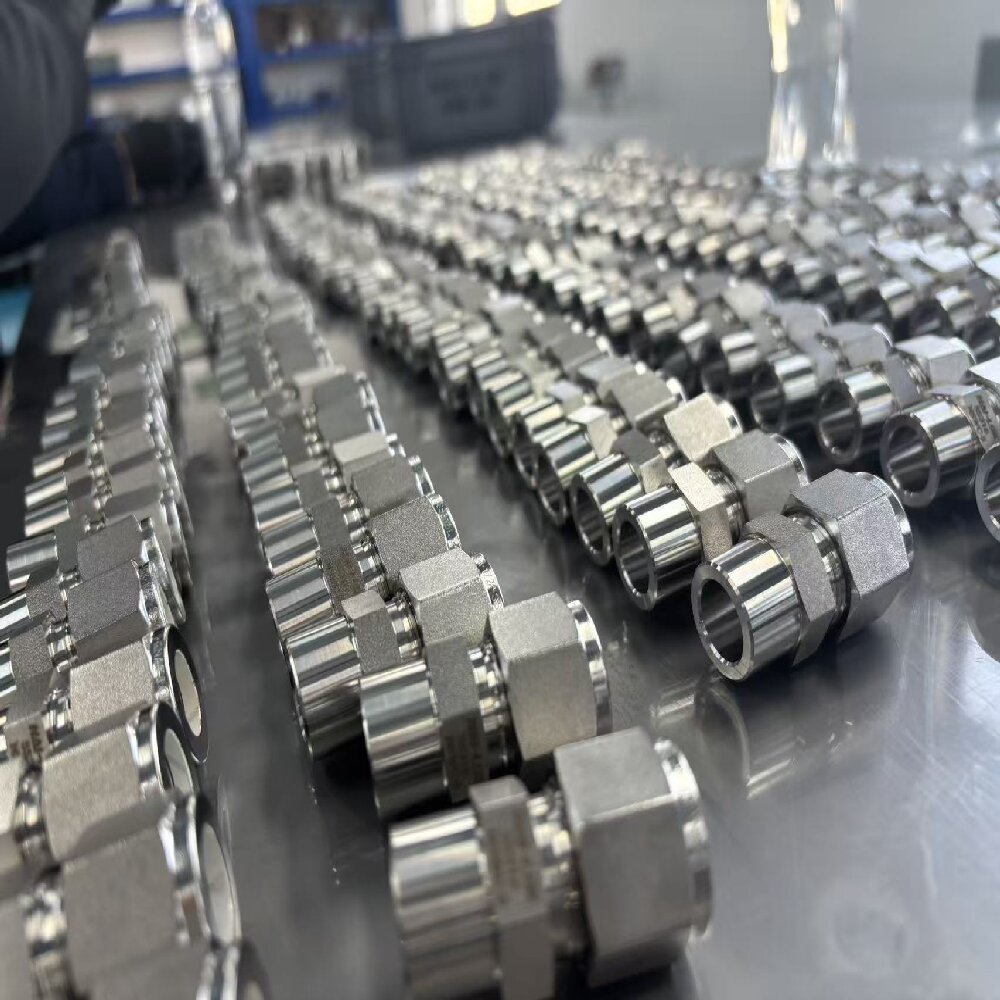
Reuse capability after disassembly
The ferrule is often the first component asked about when someone is pulling apart a 12mm Stainless tube fittings . Should you reuse the ferrule, or is it always best to buy new ones? The answer depends on what style ferrule you have and how the fitting was tightened previously. In most conventional double ferrule applications, the front ferrule bites into the tube wall when torqued up sufficiently to form a seal. Once that front ferrule deforms to grip that tube it will continue to hold that deformation after disassembly. Attempting to reuse it on another assembly or even the same tube after cutting could result in improper seating of the seal. Small leaks may occur that may not manifest themselves until after pressure is applied to the system. There have been applications where people successfully reused ferrules when reworking low pressure water or air lines by closely inspecting the ferrule to ensure that it is still smooth with no cracking and that the tube end has not been re-threaded or cut. However, this is more of a “band aid” fix rather than a good solid repair. On more critical applications such as instrumentation lines or gas control panels, these parts are usually not reused since even minor leaks can cause issues with readings or even safety. I have seen firsthand an example of this on a workshop air compressor supply line. A tech had to relocate a section of pipe and reused ferrules when reassembling the line. For a few days the system was fine but then began to experience slow air loss. Once the ferrules were replaced correctly the pressure held steady again. Small components can change the performance of your entire system. Single ferrule designs are even more delicate. Once the ferrule is compressed, it usually doesn't return to its original shape very well and are seldom reused successfully. Most pipe installers consider single ferrules disposable. The safest method is to consider ferrules a consumable when doing any disassembly. Dispose of them when reassembling to help eliminate slow leaks and return visits.
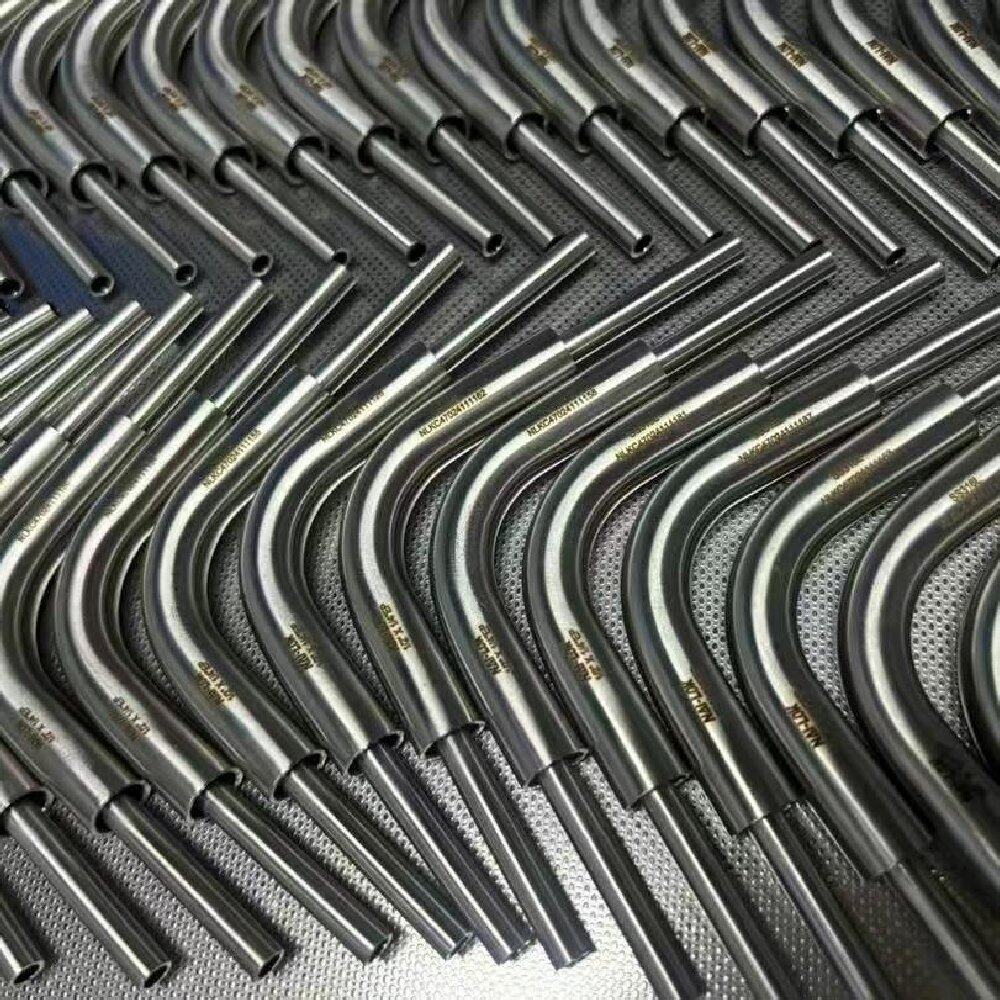
Vibration resistance comparison
Application environments that involve continuous motion can result in vibration challenges for Tube fittings . Anything from pumps, compressors, engines, and other heavy equipment near the tubing will cause vibration over an extended period. Understanding ferrule design helps maintain connection integrity while vibration is present. Double ferrule fittings will inherently maintain better vibration resistance versus single ferrule designs. The front ferrule clamps down onto the tube and the back ferrule adds support behind it. This support helps distribute the loading forces instead of just one point of support. In practical applications, you will commonly see double ferrule fittings used in instrument air lines or hydraulic control panels that have equipment operating 24/7. Despite the consistent vibration, if installed properly the connection will remain secure. Single ferrule fittings have compression force at one location. This allows for quicker and easier installations but puts all the static loading at one spot. When used in low vibration applications such as potable water lines or basic air lines, single ferrule micro fitting work great. However, if you were to use them in an area with constant vibration like a pump room or near rotating equipment, they can work loose over continuous operation. One real-world application involved a small machine shop that utilized air tools. The air compressor was sitting right next to a rack of piping. Over time, technicians began to notice small leaks developing at the single ferrule joints. These fittings were gradually working their way loose due to the vibration of the compressor. Once they replaced the fittings with double ferrule connections, they no longer had any issues even with daily operation of the machines. Installation of the ferrule is another factor that can play into how vibration-resistant the connection will be. If the tube was cut square or the fitting was not torqued to the manufactures recommendation, you can have premature failure on a double ferrule connection. Torquing the fitting to specifications creates a clamp-down force that will maintain its integrity for a longer period of time. Like most things, vibration resistance depends on application. Single ferrule connections can be used for static applications or where minimal vibration is present. For areas with continuous vibration, using a double ferrule connection will assure you have a safe and long-lasting connection.
Single ferrule vs double ferrule design
Typically, the first decision made when specifying 12mm tube fittings is whether to choose single ferrule or double ferrule style. Both types create a seal against the tube but have slightly different operating principles which cause them to behave differently under actual working conditions. Single ferrule fittings employ one ferrule that compresses against the tube to form the seal. As the nut is tightened, the ferrule bites into the tube and simultaneously seals. Installation is fast and easy. This style is commonly used in low pressure applications such as water lines, pneumatic tubing, or non-critical fluid transfer applications. One potential drawback is the holding power is all concentrated in one point of contact which can cause failures in vibrating environments. Double ferrule fittings utilize two ferrules. The back ferrule grips the tube while forcing the front ferrule forward. The front ferrule then acts to seal against the fitting body. Because the loads are spread across two ferrules working together, it creates a stronger and more stable grip on the tube. In practice, you will commonly see double ferrule applied to instrumentation tubing, oil and gas applications, and hydraulic control units where there is higher pressure and vibration present. As an example of where these differences play out in real life, consider a small manufacturing facility. Their maintenance department specified single ferrule fittings for a cooling water circuit since the pressure was constant and there was little movement in the system. However, on their air control lines that connected to various equipment, they began to have leak problems. After switching over to double ferrule fittings on that circuit, it became more stable and didn't have to be retightened as often during periodic maintenance. The other main difference between the two styles is installation forgiveness. Single ferrules are more straightforward to install for new users, but you have less margin for error when tightening. Double ferrules require the correct tightening procedure to be followed, but will generally remain stable for longer after installation. A good rule of thumb is to use single ferrule when dealing with low pressure, non-hazardous applications that are not subject to vibration or prolonged periods of pressure cycling. Use double ferrule when operating conditions are more severe.
NAI-LOK - Professional Valve and Precision Tubing Solutions Provider Established in 2000, NAI-LOK specializes in the R&D, manufacturing and sales of instrumentation valves, nickel-based alloy valve and fittings,high-precision tubing components.